- Mon-Sun : 8:00 AM - 8:00 PM


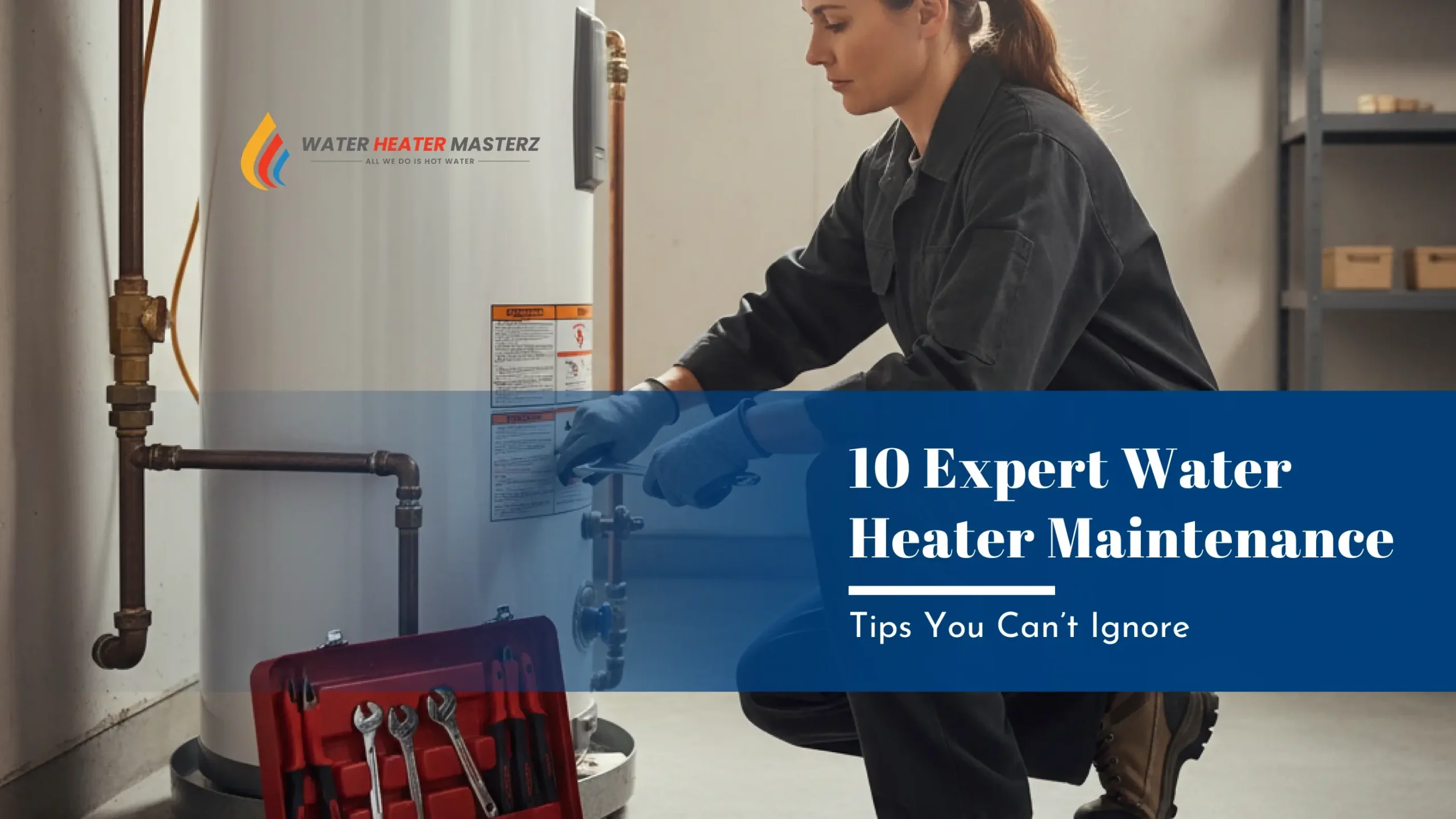
10 Expert Water Heater Maintenance Tips You Can’t Ignore
A reliable water heater is one of those household appliances that you don’t think about until it stops working. Regular maintenance not only ensures a steady supply of hot water but also extends the lifespan of your unit. It also greatly improves energy efficiency and helps you avoid costly repairs.
Here are 10 expert water heater maintenance tips you simply can’t afford to ignore.
1. Flush the Tank Annually to Remove Sediment Buildup
One of the most common and critical aspects of water heater maintenance is flushing the tank. With regular usage and wear and tear, certain minerals like calcium and magnesium settle at the bottom of the tank. This happens especially in areas with hard water, like Seattle.
As a result, your water heater works harder to heat the water. This leads to increased energy consumption and higher utility bills. In severe cases, this buildup can cause rumbling noises and even tank damage.
How does a professional water heater maintenance company help:
Experts turn off the power supply (electricity or gas).
Shut off the cold water supply.
Attach a hose to the drain valve and direct it to a safe drainage area.
Open the valve and let the tank empty completely.
Refill and flush until the water runs clear.
2. Inspect and Replace the Anode Rod
The anode rod is often called the “sacrificial rod” because it corrodes in place of your tank. Made from magnesium or aluminum, it attracts corrosive elements in the water, preventing rust from forming inside the tank.
However, the rod doesn’t last forever. Once it’s fully corroded, your tank becomes vulnerable to rust and eventual failure.
Signs your anode rod needs replacement:
● Rusty or discolored water
● Metallic odor
● Visible corrosion on the rod
If you happen to notice any of the above-mentioned signs, calling for water heater maintenance services is the right way to go about it.
3. Testing the Temperature & Pressure Relief (T&P) Valve
For most people who are unaware, the T&P valve is a very important safety feature responsible for excessive pressure buildup in the tank. Without it, the water heater can become dangerously overpressurised, leading to an explosion or rupture.
How to test it:
Place a bucket under the discharge pipe.
Lift the valve lever slightly and release it.
You should hear a burst of water.
If no water flows or the valve continues to leak afterward, it may be faulty and should be replaced immediately with the assistance of water heater maintenance services in Seattle.
4. Thermostat to the Optimal Temperature
Many homeowners unknowingly set their water heater temperature too high. While it may seem like a good idea for hotter water, it actually increases energy consumption and the risk of scalding.
Benefits of proper temperature settings:
Reduces energy bills
Minimizes risk of burns
Slows down mineral buildup and corrosion
5. Insulate the Tank and Pipes
Losing heat is one of the biggest reasons for contributing to inefficiency in water heaters. This happens more in colder weather or unheated spaces like basements. Insulating your water heater tank and the first few feet of hot water pipes can significantly reduce standby heat loss.
6. Examine the Burner or Heating Elements
For gas water heaters, check the burner flame periodically. A healthy flame should be blue and steady. Yellow or flickering flames may indicate dirt, improper combustion, or gas issues.
For electric heaters, inspect the heating elements for signs of wear or damage. If you happen to notice any of the above-mentioned signs with your heater, it is better to let a professional water heater maintenance company in Seattle handle it with the right tools and techniques.
7. Keep the Area Around the Heater Clean
A clutter-free environment around your water heater is important for both safety and efficiency. If there is dust, debris, or stored items around the heater, it can block ventilation (in gas heaters) or cause serious fire hazards.
The best way to avoid this situation is to ensure there is enough space around the unit for proper airflow and easy access for maintenance.
8. Tighten Connections and Check Wiring
A loose connection of the water heater can result in poor performance and also cause major safety risks. If you have an electric heater, a professional water heater service is mandatory to check for issues with the wiring, corrosion, or overheating.
For both gas and electric water heater units, ensuring all pipe connections are secure is something you should never compromise on.
9. Check for Leaks Regularly
Even small leaks can lead to significant problems if left unchecked. Inspect the area around your water heater, including pipes, valves, and the tank itself. Look for puddles, rust, or moisture. Early detection of leaks can prevent water damage and costly repairs.
If the leaks are severe, it is better to consult with a professional water heater maintenance company in Seattle before things escalate and result in costly expenses.
10. Schedule Professional Maintenance
While many maintenance tasks can be done yourself, having a professional inspect your water heater once a year is highly recommended. A trained technician can easily identify issues that may not be visible to the untrained eye.
These issues can range from internal corrosion, pressure imbalances, or component wear. Regular professional servicing ensures your system remains safe and efficient.
DIY vs. Professional Water Heater Maintenance: What You Can Handle and When to Call an Expert
Water heater maintenance is very important for ensuring efficiency, safety, and longevity. However, it is important to note that not every task should be handled the same way.
Some activities for maintaining the water heater can be easily managed and are simple enough for homeowners to perform on their own. Other, more complex tasks require the expertise of a trained water heater expert in Seattle. Understanding the difference between DIY tasks and those that need professional assistance can save you money and keep your home safe.
DIY Water Heater Maintenance Tasks
There are several basic water heater maintenance tasks that most homeowners can safely perform with minimal tools and preparation. These tasks help keep your water heater in good working condition without requiring technical expertise.
One of the most common tasks that you can do yourself is flushing the tank. With regular usage and wear and tear, sediment builds up inside the tank. This is a very common problem in areas with hard water. This sediment acts as a barrier and reduces heating efficiency. This later results in rumbling noises.
Flushing the tank once a year helps remove these deposits. If you plan on doing it yourself, the first step is to turn off the power supply (or gas). Then connect a hose to the drain valve and allow the water to flow out until it runs clear. Please note that the overall process requires caution, but it is generally safe if instructions are followed carefully.
Another simple task you can perform for water heater maintenance is to regularly check for water leaks. Carefully inspecting the area around your water heater can help you figure out minor issues before they turn into major problems.
Carefully look for puddles, corrosion, or moisture around pipes and connections. Tightening loose fittings or replacing worn washers can also help resolve small leaks without professional help.
Testing the temperature-pressure relief (TPR) valve is also an easily manageable DIY job. This valve is a crucial safety component that prevents excessive pressure buildup in the tank. To test it, gently lift the lever and allow it to snap back. If water flows out and stops properly, the valve is functioning as expected.
Homeowners can also handle adjusting the thermostat settings. Keeping the temperature at around 120°F (49°C) improves safety and lowers utility bills. This adjustment is usually simple and can be made using the unit’s control panel.
Additionally, another way to improve energy efficiency is to insulate the tank and pipes. Insulation jackets and pipe sleeves are affordable and easy to install. You can even do it easily as a beginner.
Most of these tasks are easy to perform. It is still important to always turn off the power or gas supply before starting any maintenance work. Wearing protective gear and following manufacturer instructions are also helpful in reducing risks.
When to Call Professional Water Heater Maintenance Services in Seattle
Certain complex tasks require proper knowledge, experience, and tools. Attempting to handle any maintenance work without proper training can be dangerous and may even void your heater’s warranty.
One of the most serious situations that demands professional help is gas-related issues. If you notice a gas smell, an irregular burner flame (yellow instead of blue), or difficulty igniting the heater, do not attempt to fix it yourself. Gas leaks and combustion problems can pose a serious safety hazard. It can cause fire and carbon monoxide exposure. A licensed residential water heater maintenance technician has the expertise to identify and repair these issues safely.
Electrical problems in water heaters should also be left to professionals. Faulty wiring, tripped breakers, or malfunctioning heating elements can be risky to handle without proper knowledge. Electric shocks and fire hazards are real concerns, making professional assistance the safest choice.
Another area where professional assistance is highly recommended is anode rod replacement. This task can be done as a DIY, but removing and replacing the rod can be challenging due to tight fittings and damage to the tank. A professional can perform this task efficiently and ensure proper installation.
Constant leaks or tank corrosion are also warning signs that require expert evaluation. If tightening connections doesn’t solve the problem, there may be internal damage that needs professional water heater repair or replacement.
Common Water Heater Myths
We all can agree on the fact that water heaters are often one of the most overlooked appliances at home. We hardly pay attention to their service and functionality until real issues start to show up.
Over time, a number of myths have spread about how they work and how to maintain them. Believing these misconceptions can lead to higher energy bills and even costly repairs. Let’s clear up some of the most common water heater myths.
Myth #1: Water Heaters Don’t Need Maintenance
This is probably one of the biggest misconceptions about water heaters. People often believe it is a one-time installation that will work for years to come. In reality, regular maintenance is important for ensuring your water heater works efficiently and results in lower utility bills.
Myth #2: Turning the Temperature Way Up Is Better
Some people think higher temperature settings provide better performance. However, setting your water heater too high wastes energy and increases the risk of burns. Water heater maintenance experts suggest a moderate setting (around 120°F / 49°C) is both safe and efficient.
Myth #3: Tankless Water Heaters Don’t Require Any Care
Another common myth around water heaters is that if there is no tank, no maintenance is required. While these systems are more efficient, they still require care. Tankless water heater maintenance is crucial for inspection to prevent mineral buildup and ensure optimal performance.
Myth #4: All Noises Mean Something Is Broken
Sometimes you might notice a weird rumbling or popping noise coming from your water heater. This does not always mean something is broken. With regular usage, certain minerals and sediments build up and settle at the bottom of the tank. The issue can be effectively solved with expert intervention.
Myth #5: A Leaking Heater Always Needs Replacement
Not every leak means your water heater is beyond repair. Sometimes, leaks come from loose valves or connections that can be easily fixed. However, leaks from the tank itself usually indicate a more serious issue.
Myth #6: Bigger Water Heaters Are Always Better
Going for a larger tank might seem like a good choice, but it comes with its own setbacks. If your household doesn’t require a large supply of hot water, going for a larger size might not be in your best interest. Bigger units consume more energy and can lead to unnecessary utility bills. The best way to choose a water heater for your home is by first evaluating your daily hot water requirement and the size of your home.
Myth #7: You Only Need to Replace the Heater When It Stops Working
Sometimes homeowners wait until the last moment for their water heater to fail so they can get a new one installed. Waiting for complete failure can lead to inconvenience and even water damage. Older units often show warning signs long before they stop working. It is recommended to identify these signs beforehand and get a water heater replacement as soon as possible.
Myth #8: Hot Water Runs Out Because the Heater Is Faulty
Running out of hot water is not always caused by a malfunction. There could be other underlying reasons for this issue. It could simply be that the tank size is too small for your household’s needs, or multiple appliances are being used at once.
Myth #9: Installing a Water Heater Is a Simple DIY Job
Most people often assume that installing a water heater is a minimal task and can easily be done with a DIY effort. Water heater installation might seem like a simple and straightforward task, but it isn’t always the case. Improper installation can lead to safety hazards, result in lower efficiency, and even code violations.
Myth #10: Turning Off the Heater Saves Energy Anytime
Switching off your water heater frequently isn’t always efficient. In some cases, reheating the water repeatedly can use more energy than maintaining a steady temperature, especially with older models.
Understanding the truth behind these myths can help you make smarter decisions about your water heater. With proper care and a little knowledge, you can keep your system running efficiently and avoid unnecessary expenses in the future.
The Most Expensive Water Heater Repairs
Water heater repairs in Seattle can range from minor fixes to major expenses. Some issues are far more costly than others. Understanding these repairs can help you identify any signs promptly and avoid unexpected bills. Here are the costliest water heater problems you should watch out for.
1. Tank Replacement
One of the most costly repairs is replacing the entire tank. If your tank develops cracks or corrosion, it can usually not be replaced. Tank replacement usually happens due to long-term neglect or failure to replace the anode rod.
2. Major Leak Repairs
Small leaks can usually be taken care of easily. However, big leaks, especially from the tank itself, can lead to structural damage. Water can cause damage to floors, walls, and nearby appliances. It can quickly increase overall repair costs.
3. Heating Element or Burner Failure
Replacing heating elements (in electric heaters) or burners (in gas heaters) can be costly if the damage is severe or affects multiple components. Poor maintenance and sediment buildup are common causes of this issue. Experts suggest opting for routine water heater maintenance to avoid this issue in the long term.
4. Thermostat Replacement
When the thermostat is faulty, it can lead to inconsistent heating and fluctuations in temperatures. Replacing a thermostat is usually not very expensive; however, if it involves wiring issues or multiple components, the costs can increase significantly.
5. Gas Line or Electrical System Issues
Problems with gas connections or electrical wiring can be both dangerous and expensive. These repairs often require professional service and must meet safety standards, which can add to the cost.
Frequently Asked Questions
1. How often should I flush my water heater?
Water heater experts in Seattle recommend flushing the heater at least once a year to remove sediment buildup and maintain efficiency.
2. What temperature should my water heater be set to?
The ideal temperature is around 120°F (49°C) for safety, energy savings, and consistent performance.
3. Why is my hot water running out so fast?
There could be a problem due to sediment buildup, a faulty heating element, or a tank that’s too small for your household’s needs. If you are facing similar issues consistently, it is better to consult a water heater maintenance company in Seattle.
4. Is it normal for a water heater to make noise?
Some noise is normal. But if you hear loud popping or rumbling, it usually means there is sediment buildup and should be addressed before the problem escalates.
5. How do I know if my water heater needs replacing?
Your water heater will show several signs before it completely fails. These signs include rusty water, frequent repairs, leaks from the tank, and age (typically over 10–12 years). If you have been noticing these signs, it might be time to go for a water heater replacement.
6. Can I perform water heater maintenance myself?
Homeowners can perform basic tasks easily themselves. Like checking for leaks or adjusting the thermostat, but more complex maintenance is best left to professionals.
7. What is an anode rod, and why is it important?
The anode rod prevents rust by attracting corrosive elements. Replacing it regularly can significantly extend your water heater’s lifespan.
8. Do tankless water heaters need maintenance?
Yes, they require periodic descaling and inspection to prevent mineral buildup and maintain efficiency. You should opt for tankless water heater maintenance before the problem leads to costly repairs.
9. Why does my hot water smell bad?
A rotten egg smell is often caused by bacteria reacting with the anode rod inside the tank. If you have been experiencing rusty-colored water or a rotten smell, flushing the system or replacing the rod can help.
10. Can maintenance really lower energy bills?
Yes, regular maintenance improves efficiency, reduces energy consumption, and helps lower utility costs over time.